It’s
mid-January already and the seed catalogs have begun to trickle in, promising
beautiful, delicious fruits and vegetables to satiate anyone’s palette. It’s
been two years and three months since we moved up to New Hampshire. Since we
moved up in the fall of 2016, this is our third winter though that we’re experiencing,
and the learning curve has been huge! We are so much better at dealing with the
snow and ice than we were the first winter. Which is comforting when facing a
weather forecast which promises 3 feet of snow over a two-day period such as we
are this weekend, if we are to get the high end of the forecast. As a gardener,
we have always been a little bit more in tune with the weather forecasts;
however, living up here on the mountain – we are so much more in tune with it
than ever before. First off, to be fair when we moved up here, we also bought a
weather station that works with our phones so we can see the exact conditions
of things at our house at 1500ft which can be vastly different than what’s
going on down at the lake at 500ft.
 |
| Our view from 1500ft up overlooking Newfound Lake |
Last summer was our first full growing season in our new garden since it took basically a whole growing season to demolish, prep and rebuild the new garden space. The old garden consisted of old beds had been a combination of old rock beds that were incorrectly built that had caved or crumbled and some rotted out birch logs with old brick paths that had heaved from all the harsh New Hampshire winters. Everything had to go! We removed everything and leveled the area best we could with our tractor.
 |
| the original garden |
Initially
we placed flattened cardboard boxes down in the area to suppress any and all
weeds until we were ready for the gravel. That was all we did that first summer
other than getting the fencing up around the garden. At the time, we were still running down to Connecticut
to take care of our client’s gardens – a part of the business we no longer
offer – and I had no time to set up, let alone take care of our own garden. I had some spare starts from over ordering
for our client gardens and planted them in some Smart Pots in the new garden
area. We had a few tomato plants, some potatoes, some peppers and squash. We hadn’t run the hose from the house to the
garden area yet and I had to run a hose from the garage which barely wet
everything the way it needed to be. This was a far cry from my beautiful raised
beds in Connecticut that were suited with soaker hoses that was on a timer.
Mother Nature thankfully helped me out quite a bit and watered the garden for
me quite nicely for the most part. At
the end of the season we had harvested a surprising amount of squash, a
smattering of tomatoes and a few pounds of potatoes. Considering our situation,
we faired pretty well – we are used to so much more but were thankful for what
we did manage to grow that first season.
By the
summer, we managed to have the gravel put in which would be the base for our
garden and two raised beds put in. It was important to me to get some of the
raised beds in before winter so that we could plant our garlic, onions and
shallots to overwinter. It always feels
good to me to be able to stare into the garden in the dead of winter when there
is snow covering everything to know that deep down there is life just waiting
to spring forth during the spring thaws. Seeing the new grow in early spring as
your working outside to ready the rest of the garden is also encouraging to me –
a promise of things to come.
 |
| the first 4' x 8' to go in the new garden |
Last
summer was the first time in 6 years that I took care of no one else’s garden
but our own. It was a treat to be able to focus on just our own garden,
particularly since all those years our garden became more of an afterthought.
Part of me missed going into each different space, most we had installed the raised
beds in the first place. It was always fun visiting with our clients and year
after year helping to start and maintain their gardens. I would sometimes get garden envy and then
Mark would remind me that I shouldn’t be envious but proud of our work in our
clients’ gardens. I would be proud but sometimes envious too since some just
had the exact right light and of course soil since we put it there and amended
and made sure it was properly watered that sometimes we’d get there and find specimen
Brussel sprouts that looked like they should be photographed and splashed across
the cover of Vegetable Weekly. I don’t think there really is a Vegetable Weekly
but if there was those Brussel Sprouts – I remember them so well – should definitely
been on the cover. We managed to install all the raised beds before it was time
for spring planting. The extended winter season actually helped us out, in that
it gave us the extra time need for us to put the raised beds in and fill them
before planting up our tender crops. In zone 6, usually I would have been able
to plant the tender vegetables like tomatoes and peppers shortly after Mother’s
Day weekend – no way that was happening up here last Mother’s Day.
The
first things I recorded in the garden journal were my seed orders which is
helpful, so you have an idea of what your ordered three months earlier and what
you still are expecting to arrive as the spring seed orders are mailed out.
During the winter months I also take a look at my garden beds and figure out what
is going to be planted where in the coming season – practicing good crop
rotation to prevent soil borne diseases from building up.

Now
that I’m looking back over my notes from last season, I’ve very glad that I
have these dates and notes about the garden – it will help us plan for the
upcoming season better and manage expectations. As I said having these specific
notes with the dates help out quite a bit since one of the other things that I
am still working out about the new garden is its microclimate. Understanding microclimates can be game
changing particularly if your garden is subject to them like my garden. But
figuring out exactly what you’re dealing with can take a little time and some
observation. Again, this where taking garden notes can be helpful since again
who can remember all the little detail in life sometimes – no one. First off,
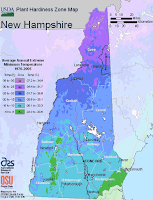
we may live in zone 5b but seeing how we are 1500ft above sea level, the
altitude along puts us closer to actually being 5a since there is an average of
3.3º decrease in temperature as you go up every 1000ft. Each zone covers only a
10º range to begin with, so we certainly probably knocked to a 5a zone with the
altitude alone. Then there are the winds
which we contend with at times. The
location of our house and garden is on the side of a mountain where the highest
consistent winds we have recorded are 46mph with the highest gust being 58mph.
That’s a lot of wind to have to contend with and it can be brutal on your
garden plants, but it most definitely effects the microclimate of a garden
especially when they are that dramatic.
 |
| Tower Garden before the windbreak |
At
first, I thought maybe the positioning of the house would protect the garden a
bit more from the winds. But I quickly realized that this was unfortunately not
the case and had Mark search for a solution ASAP! Early in the season it wasn’t so much of a
problem with the seeds and the small plant starts but as things started to grow,
I knew it would become more of an issue.
The Tower Garden plants were having the roughest time of all the plants
since those little plant starts are lifted into the air 3’-5’ – there was no
escaping the brunt force of the winds being that high up. Luckily, Mark had found a solution and had
ordered two 6'
x 15'’ panels of windscreen, similar to what you see on the side of fences
at beaches and tennis courts to cut down on the wind. We put up the two panels up on the north east
side to block winds where we had the two Tower Gardens set up. I discovered
within a short time the effectiveness of having the windbreak and also that it
helps to keep the temperature up in that area of the garden as well. This
totally makes sense since wind chills can lose temperatures by an entire zone
range of 10º very easily, particularly up here. Given that fact, before the
garden can be considered closer to a zone 4b garden with temperatures as low as
-25 °F to -20 °F. I’ve seen those temperatures on
our weather station thermometer on more than one occasion in our relatively short
tie here. The plan going into this
season is to get more of the windbreak material to put up on the remaining
north side of the garden fence. We predominantly
get northwesterly winds, but southerly winds come in from time to time, but
they tend to be warmer and less violent. Hopefully we will be able to have
everything in place going into this season with the new windbreaks in place
early on. Snow build up can always delay things and New England weather can be
so unpredictable at times, giving you all four seasons in one day.
 |
| two of our 4'x 8' raised beds, one is 16" deep the other 11" |
This fall it snowed early starting in October we had 8” of snow by the time I left for Connecticut in the middle of November. I had left for Connecticut to visit with my parents and siblings leading into the holiday, Mark had stayed up in New Hampshire to take care of a few odds and ends before he was planning on coming down to join us. In the ten days between when I left for Connecticut and Thanksgiving Day we received 18.5” of snow on top of the original 8” we had on the ground. The weather stayed cold, it was frigid with below zero temperatures, let alone wind chill. Needless to say, Mark stayed up at the New Hampshire house to keep the home fire burning and enjoyed Thanksgiving with two of the kids who were able to easily divert there to join him. They deep-fried a turkey while the sitting in the garage all bundled up watching the deep fryer which they placed in the driveway, protected from the wind on the coldest day of the year. By the time I drove home on the Saturday after Thanksgiving I drove back into full on winter. Two days later we received another storm which delivered another 14.5” on top of what we already had and by the end of the year we had 51” of snow total! Welcome to New England.
 |
| November 27, 2018 |
We eventually did have a thaw, a week
before Christmas of course – taking away the blanket of white snow that had
been covering everything for a month.
Shattering peoples’ dreams of a white Christmas. For me it gave me the
opportunity to do some of the things I had been planning to do in late November
but never had the chance thanks to the early snowfall that stuck around. My
plan had originally been to cut back my asparagus ferns when I returned from
Connecticut, but that didn’t quite work out. A few days after Christmas, I went
out to the garden with my garden shears and the dogs and a trug. We had
received a couple of inches of fresh snow which is what probably forced me out in
the first place – I didn’t want to miss the chance to trim back the asparagus
before we got more snow making it impossible. It’s the first year of this
asparagus bed and it seemed like it was getting off to a rough start.
We have a bed of asparagus down in
Connecticut which I started 5 years ago. I love growing asparagus – it’s one of
the few perennials in the vegetable garden and it teaches you patience since
you have to wait 3 years before you can enjoy a full harvest. But once you do –
OMG! It’s so worth the wait. It’s also a very pretty addition to the vegetable
garden with its soft ferns and pretty red berries.
 |
| Asparagus ferns with one corn stalk thanks to the chipmunks |
Looking out the window I see the clouds
gathering over the mountains – we had enjoyed a nice sunny dry period but that’s
all about to change with a big storm promising to engulf the New England states
this weekend and deliver us possibly as much as 3 feet of fresh powder. I can’t help but think I should take some of
the homegrown-homemade potato soup out of the freezer to enjoy this weekend.
That’s another vegetable I love to grow – potatoes even if it is a little bit
ore labor intensive initially than most to get started. If you have ever grown
your own potatoes, you know what I mean. If you haven’t you should give a go because
you are in for a real treat. First there is so much more variety to choose from,
just like with other homegrown vegetables – and nothing like what you can buy at
the grocery store, even Farmer’s market.
Some of my favorite varieties include German Butterball and Nicolas. I
swear you cut these open and it’s like it’s been pre-buttered and oh, so
creamy! Perfect for the potato soup I like to make which is actually from the
Pioneer Woman.
 |
| a multitude of Smart Pots for potatoes |
Which reminds me I need to order my
seed potatoes for this upcoming season. I tend to go nuts when I order seed
potatoes since they all look and sound so good. Last season we grew 21 grow
bags of potatoes of Desiree, Kennebec, Nicola, Yukon Gold, Yukon Gem, Viking
Purple, Mountain Rose, and Red Gold. By the end of the summer, we harvested
20lbs of potatoes averaging almost a pound per bag. We made potato soup with a lot of the
potatoes so that we can continue to enjoy our harvests throughout the cold
winter months and enjoyed plenty of fresh prepared potatoes through the fall. I
like to order my seed potatoes from The Maine Potato
Lady, Park Seed and Territorial Seed Company.
Gardening, particularly growing some
of our own food has really changed life for us.
We feel better and each year that feeling is verified with what our
physician sees when we have our annual check-ups. The combination of working
outside in the garden and what we are actually consuming which is fresher,
tastier, organically grown and highly nutritious food, has helped to make all
the difference. Plus, we have not had to worry about some of the food recalls
on vegetables that some. The recent
scares regarding romaine lettuce have us trying to figure out where we can set
up one of our Tower Gardens inside so that we can enjoy growing fresh lettuce
and spinach all throughout the year. Growing your own lettuce and spinach can
be so easy it makes a lot of sense to try to, particularly a food safety become
more of a concern.
So as the winter weather promises to
deliver a one-two punch to us this weekend – it will be the perfect time to sit
down with my notes, seed catalogs and dreams and plan out this year’s garden.
Happy gardening!
p.s.
If you are interested in starting your own garden, please check out our Homegrown Harvest website where we sell a variety of raised bed garden kits which are very easy to put together. I do not receive any compensation for any of the other recommendations that I have provided in this blog post.